

The Long-Term Effects of Untreated Tooth Loss on Oral Health
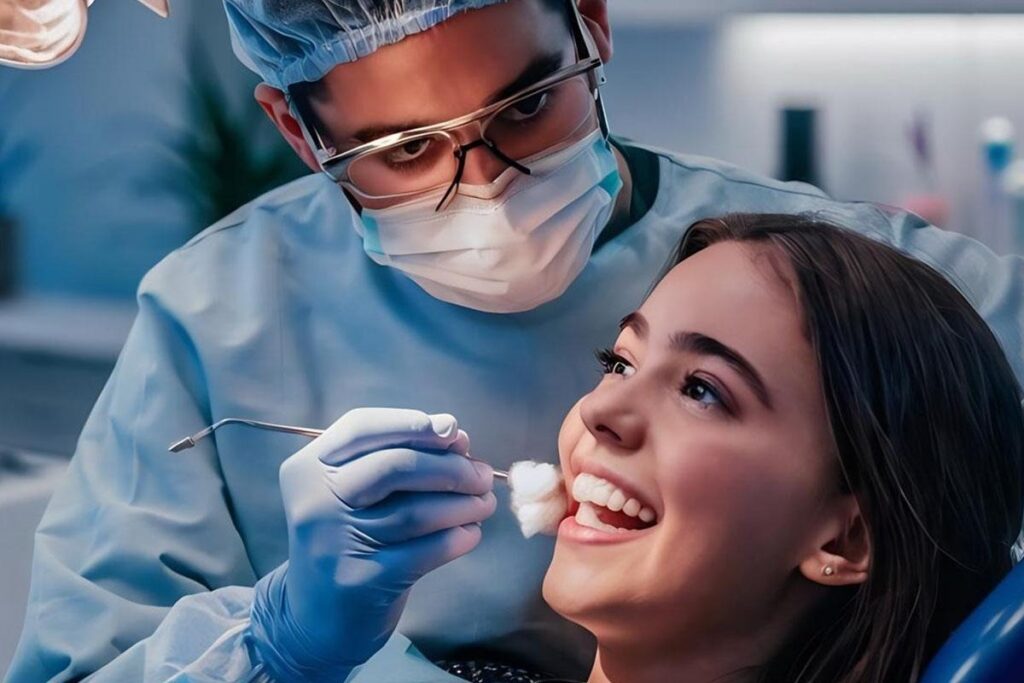
Losing a tooth may not seem urgent at first, especially if the gap is not immediately visible when smiling. However, untreated tooth loss can gradually lead to several oral health complications over time. Beyond appearance, missing teeth may affect chewing function, jawbone health, speech, and the alignment of surrounding teeth.
Modern restorative dentistry offers solutions that help patients restore both function and confidence while preventing many long-term complications associated with missing teeth.
Tooth Loss Can Affect Bite Alignment
Each tooth plays an important role in maintaining proper bite balance. When a tooth is missing, neighbouring teeth may slowly begin shifting into the empty space. As movement occurs, bite alignment can change gradually.
This shifting may lead to:
- uneven pressure while chewing
- increased wear on surrounding teeth
- crowding or spacing issues
- jaw discomfort
Even a single missing tooth can influence the overall balance of the mouth over time.
Bone Loss Begins After a Tooth Is Missing
Natural tooth roots stimulate the jawbone during chewing. When a tooth is lost, the jawbone in that area no longer receives the same level of stimulation. As a result, the bone may gradually begin shrinking.
Bone deterioration can eventually affect facial appearance and reduce support for nearby teeth. In some cases, prolonged bone loss may also limit future restorative treatment options.
Treatments such as dental implants in North York by DanDon Dental are commonly recommended because they help support jawbone preservation while restoring missing teeth.
Chewing Difficulties May Worsen Over Time
Many people naturally begin chewing on one side of the mouth after losing a tooth. Over time, this imbalance can place extra stress on remaining teeth and jaw joints.
Some foods may become uncomfortable to eat, causing individuals to avoid nutritious options such as fruits, vegetables, and proteins. Reduced chewing efficiency may also affect digestion and overall eating habits.
Replacing missing teeth helps restore proper bite support and improves chewing comfort.
Speech Can Be Affected by Missing Teeth
Teeth play an important role in pronunciation and speech clarity. Depending on the location of tooth loss, some individuals may notice changes in speech patterns or difficulty pronouncing certain sounds.
These speech changes may affect confidence during conversations, work presentations, or social interactions. Restoring missing teeth often improves speech clarity and overall comfort while speaking.
The Emotional Effects Are Often Overlooked
Tooth loss can also influence emotional well-being. Some individuals become self-conscious about smiling or speaking openly in public settings. Over time, this may impact social confidence and self-esteem.
Modern restorative dentistry focuses not only on oral function but also on helping patients feel comfortable and confident with their smiles again.
Modern Tooth Replacement Options Are Highly Advanced
Today’s restorative dental treatments are designed to look natural while supporting long-term oral health. Dental implants in North York are one of the most widely used options because they:
- provide stability
- preserve jawbone support
- blend naturally with surrounding teeth
- offer long-lasting function
Treatment recommendations vary based on each patient’s oral health condition, bone structure, and individual goals.
Early Treatment Can Prevent More Complex Problems
The longer a missing tooth remains untreated, the greater the likelihood of complications developing over time. Addressing tooth loss early often helps reduce future dental concerns and supports better long-term oral health outcomes.
A professional dental evaluation can help patients understand the most suitable treatment options available for their specific needs.
Final Thoughts
Untreated tooth loss can gradually affect much more than appearance alone. Bite alignment, jawbone health, chewing function, speech, and confidence may all be impacted over time. Fortunately, modern restorative dentistry offers reliable solutions that help restore comfort, function, and long-term oral stability.
Individuals considering tooth replacement should consult an experienced dental professional to determine the best approach for protecting their oral health and overall quality of life.
