

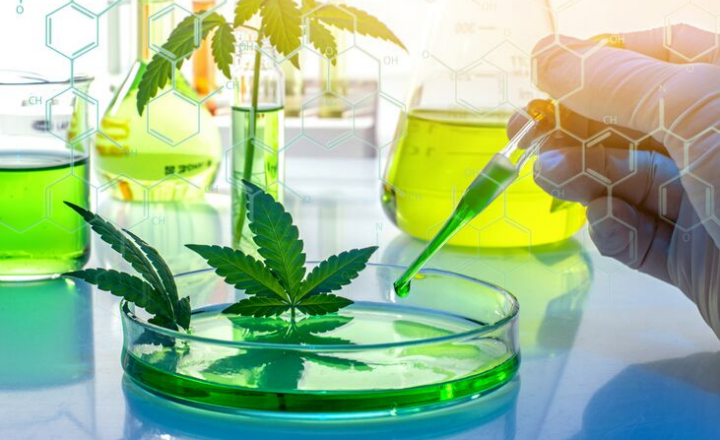
Lab Testing and Hemp-Derived THC: Why Regulated Dispensary Products Differ From Gas Station Alternatives
Intoxicating hemp-derived products such as delta-8 THC have spread through convenience stores and smoke shops nationwide, often without the testing required in licensed cannabis markets. The 2018 Farm Bill defined hemp as cannabis containing no more than 0.3 percent delta-9 THC on a dry weight basis (U.S. Department of Agriculture). That definition opened the door to products made from hemp that can still produce intoxicating effects.
Why are hemp-derived THC products a concern?
Hemp-derived THC products are a concern because many are sold outside any state cannabis testing or labeling program. Federal regulators received 104 adverse event reports involving delta-8 THC products between December 2020 and February 2022 (Food and Drug Administration). The agency has also warned about products packaged to resemble candy and snacks.
Which risks do unregulated products carry?
Unregulated products can carry several risks:
- Inaccurate potency labels that do not match actual content
- Residual solvents or byproducts from chemical conversion
- Packaging that appeals to children
- No clear accountability when something goes wrong
How do licensed dispensaries approach product quality?
Licensed dispensaries approach product quality through mandatory testing and careful product selection. Green Dispensary states that every product on its shelves is lab-tested and hand-picked (Green Dispensary). That combination of state testing and store-level curation gives shoppers more confidence than an unlabeled product from a convenience store.
What does state-required testing cover?
State-required testing in Nevada covers potency and contaminants such as pesticides, microbial growth, heavy metals, and residual solvents, performed by independent laboratories licensed by the state regulator (Nevada Cannabis Compliance Board). Products that fail cannot be sold in the regulated market.
How do labeling rules protect consumers?
Labeling rules protect consumers by requiring clear information about THC content, serving size, and warnings. Nevada limits edible cannabis products to 10 milligrams of THC per serving and 100 milligrams per package for adult-use sales (Nevada Cannabis Compliance Board). Child-resistant packaging requirements add another layer of protection at home.
How can shoppers read a cannabis label?
Shoppers can read a label by checking the total THC per package and per serving, the testing lab’s name, the batch or lot number, and the manufacturing date. A complete label is itself a sign the product came through the regulated supply chain.
Why does the supply chain matter?
The supply chain matters because tracking follows licensed cannabis from cultivation through retail sale. If a problem emerges with a batch, regulators can identify and recall affected products. Unregulated hemp-derived products rarely offer that level of traceability.
What should shoppers ask budtenders?
Shoppers should ask budtenders about testing results, product origin, and how a product compares with similar options. Knowledgeable staff can explain labels without jargon and help customers choose with confidence.
Is federal policy changing?
Federal policy on intoxicating hemp products continues to evolve, and lawmakers have debated closing the loophole that allows them. Until rules are settled, the safest approach for adults is to buy from licensed dispensaries that operate under state testing requirements.
How should adults compare product formats?
Adults should compare product formats by how quickly effects begin, how long they last, and how clearly the label states THC content. Edibles take longer to take effect than inhaled products, so labels and staff guidance help new consumers avoid taking more before the first serving has had time to work. Regulated packaging makes those comparisons easier.
Why does traceability help recalls?
Traceability helps recalls because each regulated product carries a batch or lot number linked to its testing records. When an issue appears, regulators and stores can pull specific products quickly instead of clearing entire categories from shelves.
What should adult consumers take away?
Not all THC products are created equal. Adults who buy from licensed dispensaries get products that are tested, labeled, and traceable, while many hemp-derived alternatives offer none of those protections.
